

Our Programs
We connected Black & Latinx tech talent with companies, mentors, and peers committed to racial equity and inclusion in the tech sector.
Our programs centered Black and Latinx Computer Science majors, early career tech professionals, and industry partners to help them create inroads in the innovation economy, build community, share stories, and tackle systemic racism. Across all our work for racial equity, we celebrated the stories, creativity, imaginations, and experiences of Black and Latinx people working in tech.
Through our Early Career Accelerator Program (ECAP), Fellows Program, Technical Applicant Prep (TAP) Program, Entrepreneur in Residence (EIR) Program, tech industry collaborations, and Code2040 community events, we worked towards a future where institutional and historical marginalization of Black and Latinx people in tech is eradicated, empowering Black and Latinx technologists to thrive in an ever-growing economy shaped by the digital revolution.
We offer the rationale for the creation of our programs, as well as the program design and implementation materials, in hopes that they might be useful in the future. Our hope is that you look at the intentionality we brought to each workshop, event, conversation, and consider their implementation in the curriculum you make for Black & Latinx students in the future. We invite you to be creative, be revolutionary, challenge the ways people expect cohort-based programs to be executed and create experiences that center the humanity and genius that is our community.
Through our programs, we created lasting connections with a community of racial equity advocates and change makers in a space that centers your experiences, imagination, and visions for the future. We created this through:
-
We designed programs and curriculum to engage students in understanding the current state of the tech industry, systems change work, and understanding their role as racial equity advocates.
-
Participants received access to resources and job skills for securing a position in the tech industry. For example, the Reverse Career Fair created connections to paid internships and career opportunities, while putting students in the seat of power. This role reversal set apart Code2040’s approach to job placement.
-
Students and learners participated in workshops, panel discussions, and more to gain the tools and resources needed to navigate the tech industry and thrive in their careers.
-
We placed relationship building at the heart of our work for racial equity. Participants got to know each of their peers in both virtual and in-person settings where they shared opportunities for connection, candid conversation, joy, and laughter.
-
Participants in our programs met other Black and Latinx technologists and received support from mentors and managers. Each Fellow was matched with a mentor who offered coaching and support in navigating the tech industry, securing an internship, and sharpening their racial equity skills. Our program participants understood building community as a way to ensure other technologists's success while also redefining the future and face of tech.
Application, Reviews, and Selection
Decisions around participation in our programs were a critical part of our process, as participants' experience and active participation were key to making the cohort experience transformational for one another. We prioritized on the ground, direct outreach with organizations, universities, academic offices, and conferences where we knew we would reach Black and/or Latinx students aiming to thrive in the tech industry. This meant we spent a lot of time building relationships with Computer Science departments nationwide, with NBSE and SHPE chapters, and incredible organizations like Rewriting the Code and Colorstack who helped us grow our reach.
Every student who completed an application (provided a resume, answered 3 essay questions, and completed a technical coding assessment) was invited to interview with a volunteer. What we found early on was that a disproportionate amount of women / non-binary applicants were not moving forward to interview rounds. This was because of the ways that patriarchy directly impacts the ways folks submit applications, how reviewers assess applicants, and Code2040 wanted to break that cycle. This means that we enlisted the support of over 50+ volunteers every application cycle to support us in application reviews and interviews over 250 completed applications each year. It candidly was an awesome experience, and led us to engage our community in a different way while finding some of the most incredible fellows we may not have found otherwise.
Below are some templates and samples to help you think about recruitment, review, and selection of applicants to your program.
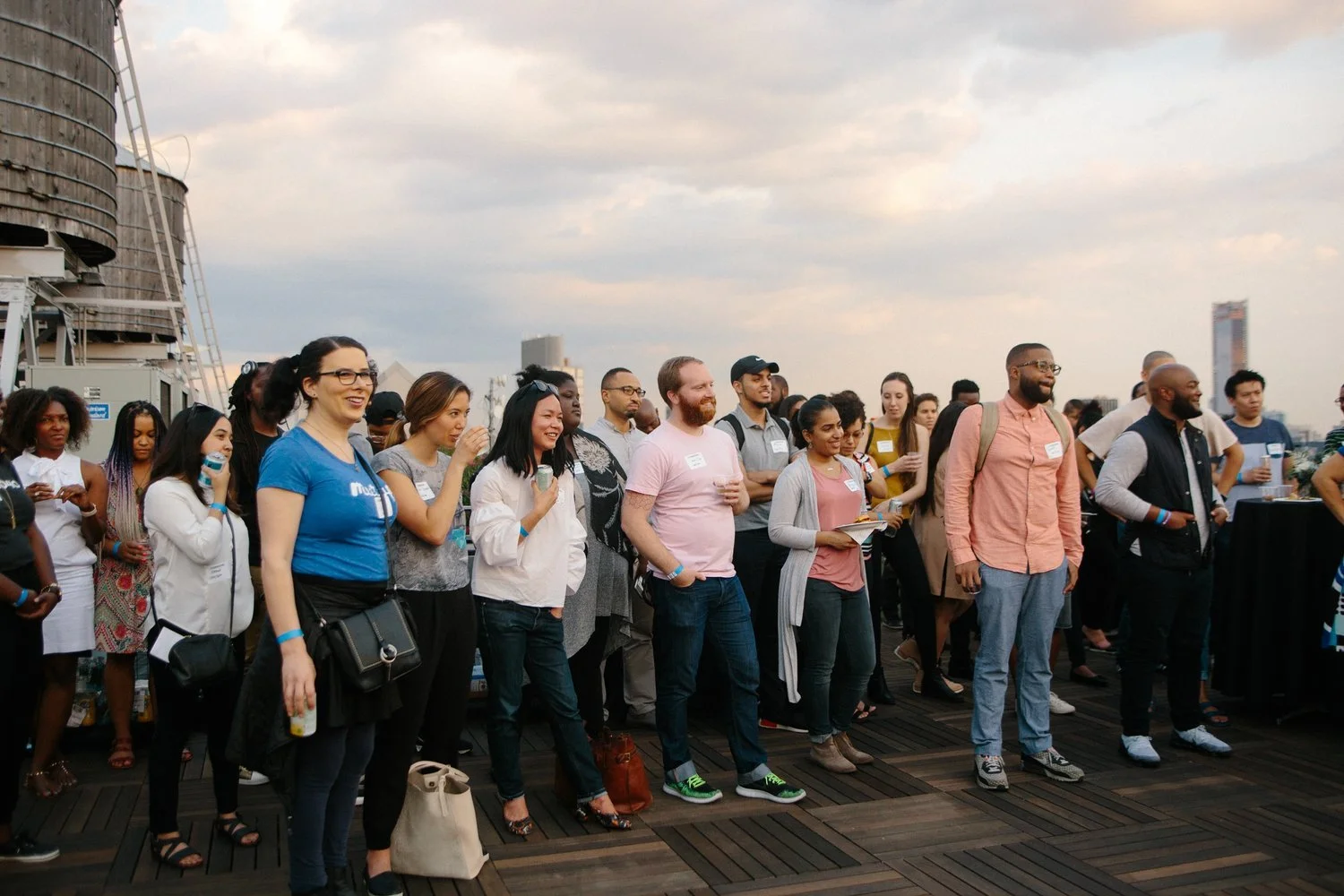
We approached the curriculum of our programs with the desire to balance two priorities: teaching the skills that we knew our participants would need to traverse a sometimes hostile tech industry and offering programming that students asked for. As such, you’ll notice in our sample Fellows Program calendars and schedules, no individual program’s curriculum stayed the same because no individual cohort was the same. At the height of the COVID 19 pandemic, the Code2040 team overhauled programming to transition to a virtual model.
In 2025 - 2026, Fellows, concerned about industry-wide reduction in internship opportunities, asked for a focus on building technical skills, so we provided them Leetcode Premium for technical interview practice, and we paid Fellows to participate in two Hackathons to support them developing projects to demonstrate their skill.
We invite you to review these sample calendars and curricula below, and as you’re building your program, we humbly remind you to trust your participants and meet the moment.
Curriculum & Workshops
Over the years, we learned the importance of the program experience building up to a capstone event to create a sense of momentum that increased participant retention and engagement. It was during those events that we endeavored to support students' social and professional growth through programming, networking opportunities, and opportunities for relaxation and play. For the last two Fellows Program cycles, we hosted two cornerstone programs: the Tech for Resistance Hackathon and the Summer Summit
Our Tech For Resistance Hackathon merged racial equity education and technical skill building, two pillars of the Fellows Program. A feature of the economic and political moment in tech has been the decimation of early career investment and the availability of internships and entry level jobs. Our Tech For Resistance Hackathon was meant to address the gap in technical experience that a dearth of internships created. In a week-long event centered around creating tech for resisting oppression, students formed teams, chose a topic, and created a product. We shared all hackathon-specific information on Slack, held virtual support sessions, and connected students with technical coaches for support. Take a look at the samples and templates below; we hope that they’ll be useful to you as you design your virtual events.
Creating Impactful CORNERSTONE Events
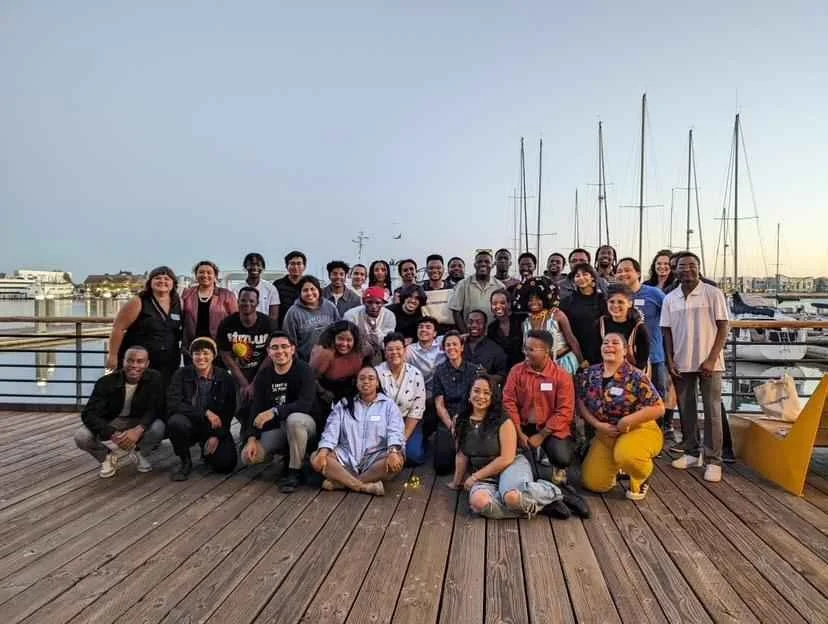
Our Summer Summit convened Fellows and community for a two day experience at the intersection of technology and social justice. We hosted workshops, panels with local organizers, critical dialogues, and provided students spaces to build community and connection. Where we held the Summit is critical to the experience as well. We prioritized cities with existing tech scenes, and an intersecting deep history in racial justice organizing. This was critical for us as we were deciding on the location for our in-person programs, and why we most recently chose Oakland, CA and Detroit, MI.
The power of this program was the connections the students made, and the mindset shift the curriculum curated. It shifted their view from their own individual success in the tech industry, to recognizing the impact the industry has on Black and Brown communities globally. Additionally, the event challenged them to actively resist oppressive tech. The Summit catalyzed those learnings, as students shared it was one of the most impactful experiences in their young careers.
Having seen the why and how we executed programs at Code2040, the only thing left to do is hear from some of our participants, fellows, and mentors themselves about the impact these programs had over the past 11 years.
https://www.code2040.org/blog/nyaradzo
https://www.code2040.org/blog/2024/8/1/mtuqp23epis09o2ni0du9qg3kltrgq
https://www.code2040.org/blog/2026/1/28/qdz5weg7lapaf253jikm0op19n9s1i