

Reduced Capacity & Rest Practices
The Moment in Time
One of the beliefs that shaped Code2040 was that people don't stop being humans when they come to work.
They experience illness, grief, burnout, family emergencies, and moments where life is just taking them for a ride.
Traditional workplaces often treat capacity as binary: you're either working your whole life away or you're not. If you can't maintain full productivity, your options are often limited to using PTO, taking sick time, taking medical leave, or continuing to work despite needing rest (and oftentimes being a little bit of a mess because you’re burnt out, babe.)
We didn't think this binary concept was reflective of reality. We believed capacity exists on a spectrum.
Traditional workplaces also treat policies as something that can accomplish what they’re looking to improve as the end all be all. People are tired - cool let’s adjust our PTO policy, let’s look at workload. We found that we needed to treat the questions :
How do we create a culture where rest is proactive rather than something people earn after burnout?
How do we balance flexibility, accountability, and organizational sustainability?
We needed to work together as a team to make it so.
What We Were Solving For
Our goal was to build an organization that responds when people's capacity changes while staying accountable to our team members and our organizational goals. It wasn’t really about “better PTO policies,” although that was one tool that we used to support our overall goal.
Specifically, we wanted to:
Recognize that capacity fluctuates throughout a person's life and career
Create options between a normal workload and taking leave
Normalize proactive rest instead of waiting until burnout
Give managers and employees a shared process for negotiating changing capacity
Balance individual well-being with the realities of organizational capacity and impact

What We Built
Rather than relying on one policy, we built a collection of practices that supported employees across a range of capacities.
Rest & Sustainability Practices
We intentionally designed organizational norms and practices that encouraged people to rest and pace their work before they reached burnout.
This included flexible work schedules, unlimited vacation, organization-wide summer and winter breaks, supportive leave policies, and regular conversations about workload and sustainability - both in the manager-employee relationship and organizationally. We recognized rest & sustainability as not just when you step away from work - but also when you take time to restore physically, mentally, and emotionally.
Shared Capacity Planning
Building capacity is a team effort. So is access to rest.
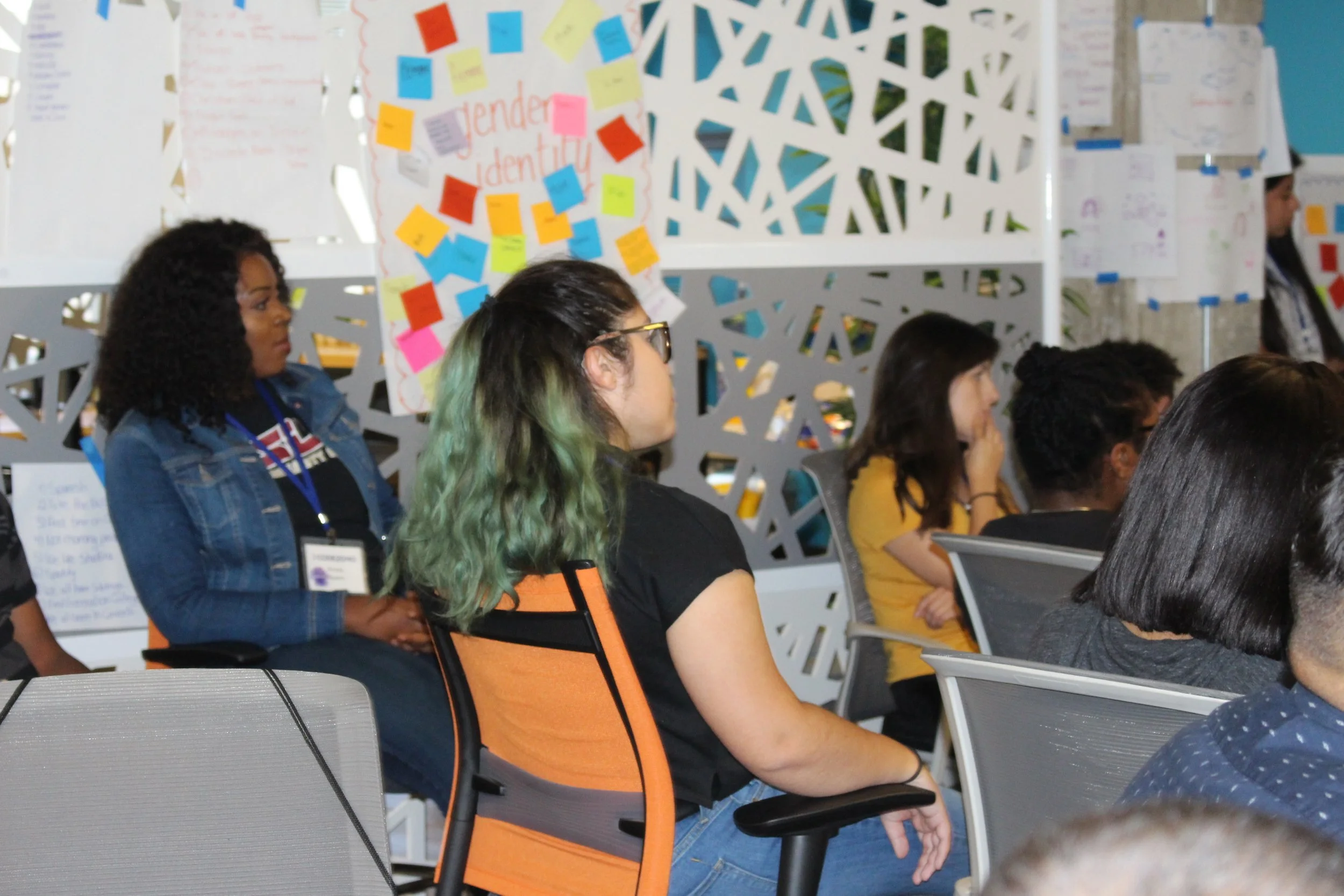
Employees, managers, and impacted teammates worked together to negotiate workload, priorities, timelines, and support. Rather than pretending one person could make decisions in isolation, we acknowledged that work happens in relationship with other people. True flexibility requires solid communication, negotiation, and shared accountability.
Reduced Capacity Policies
Rather than asking employees to either continue working at full capacity or immediately transition to leave, we created a formal process for temporarily adjusting responsibilities, hours, and expectations while employees navigated health challenges or significant life events. We wanted working at “reduced capacity” to feel like a legitimate option for people. We made it a collaborative effort between your manager and your colleagues - so it didn’t feel like a personal failure but more of a collaborative support effort.
We addressed significant life events with the same consistent philosophy : medical leave, bereavement, extended sick time. These policies were generous and based in wanting to offer true support to our colleagues in a time of need.

Putting It Into Practice
-
Build practices and policies grounded in impacting how we rested and paced our work to proactively manage burn out
AND what we would do to manage once an employee needed a reduced capacity schedule.
We believed that supporting our employee’s capacity wasn’t just about supporting them once they were already down and out, but all of the check points and moments before that could help prevent them from getting there in the first place.
-
our organization, team leads, and managers regularly discussed workload, upcoming life events & time off, energy levels, and team and organizational goals. We integrated rest planning into our annual planning processes to integrate time off as a part of the way we planned rather than something that was competing with each other. These conversations often included:
continuously evaluating work priorities to ensure they were aligned with organizational and team priorities
regularly evaluate whether their current way of working was actually supporting their well-being
proactively identify slower and busy work periods to strategically use slower periods to rest and reground to sustain the busier ones.
-
identifying work that could be paused or deprioritized
temporarily redistributing responsibilities
communicating and negotiating with with impacted teammates
determining what support or accommodations would be most helpful
setting specific timeline milestones - so we could revisit plans on a set schedule to reevaluate capacity as it changed
We tried to shift this from being an individual responsibility to one that grounded more into how we worked together to make this possible for everyone on staff.
What Time Taught Us
-
Unlimited PTO doesn't create a culture of rest on its own. It’s a policy, not a practice.
Organizations have to intentionally create the conditions that make rest possible: realistic workloads, thoughtful planning, manager support, and shared team norms. Policies helped, but they weren't what made this work.
-
One person's flexibility often affects someone else's work.
The more flexibility we created, the more important communication, shared planning, and clear expectations became. We learned that flexibility is a collective practice. When dealt with individually it created competition and resentment rather than collaboration and a desire to support one another.
-
Supporting people sometimes meant having difficult conversations about priorities, timelines, and team impact. In order to extend true support to both the team members who needed to use the policy and the impacted team members, we needed to lean into hard conversations. Have them early and often!

What We’d Tell You
Don’t only design for full capacity.
People's ability to work changes. It is not an absolute or consistent truth. If everyone’s workloads are designed to be at 100% at all times - your workplace is at risk of not being able to meet the moment. It makes crises so hard to absorb and can be super detrimental to your goals and your team members.
Don't rely on policies to create culture.
Policies are important, but they won't create a culture of sustainability on their own. Engaged management, planning practices, team norms, and organizational priorities matter just as much.
Plan for rest the same way you plan for work.
If rest only happens when there's time left over, it usually won't happen. Build it into your annual planning, team rhythms, and workload conversations from the beginning.
Treat flexibility as a shared responsibility.
Build flexibility alongside clear expectations. The more autonomy people have, the more important communication and shared agreements become. The best flexibility comes from ongoing communication and negotiation. Help managers and teams develop the skills to plan together when capacity changes.
Support people before they burn out.
Reduced capacity policies are important, but they're only one piece of a healthy system. Invest just as much energy in the everyday practices that help people sustain their work over time.